Pokhara
Our top pick
Nepal's lake city lies at the foot of the Annapurna range. Start with sunrise over the Himalaya from Sarangkot, spend the day on Phewa Lake, in the air or on the river, and end it in a Lakeside café. Most Annapurna treks begin here.
Best forAdventureLakesSunriseFoodFirst treks
- Altitude
- About 800 m
- From Pokhara
- You are here
- Best time
- Oct–Nov and Mar–Apr for clear views
- Permits
- None in the city
Why go
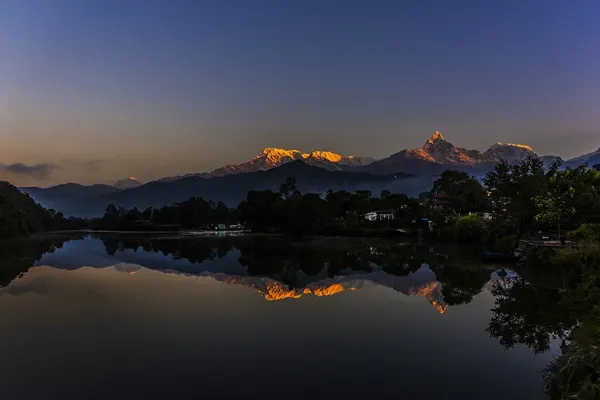
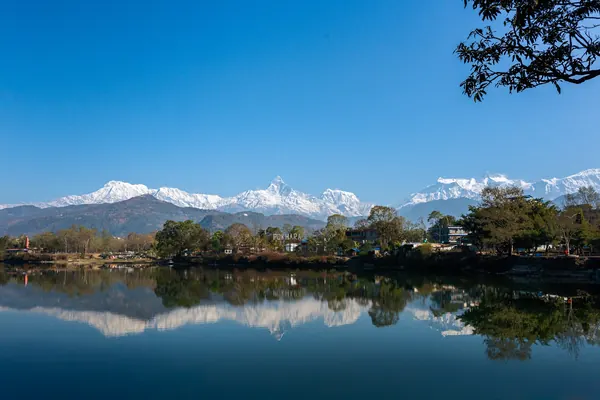
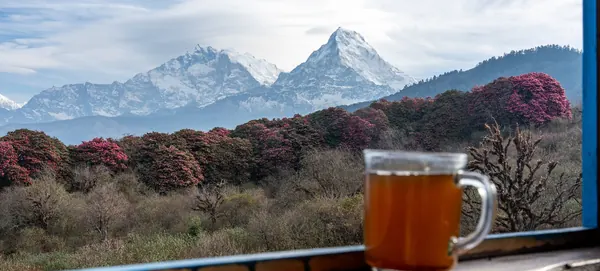
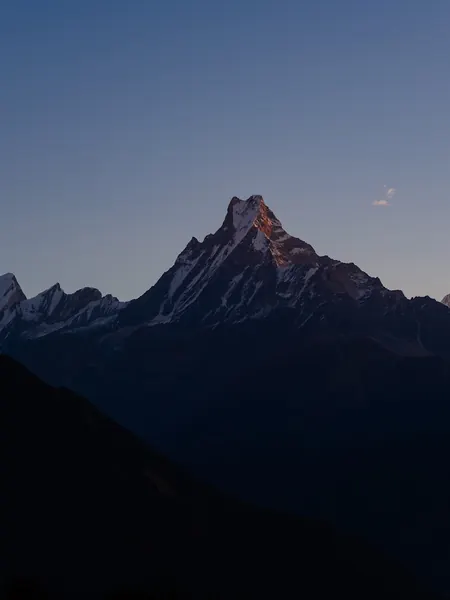
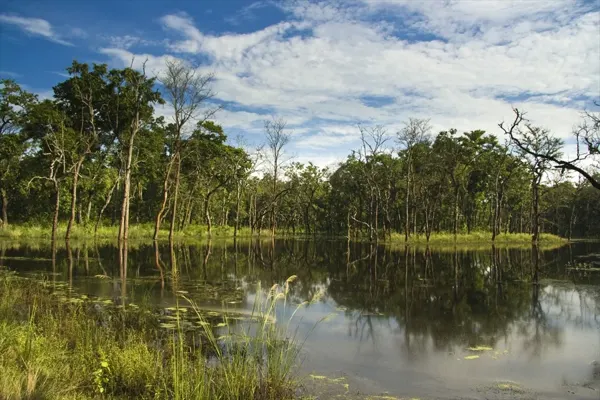
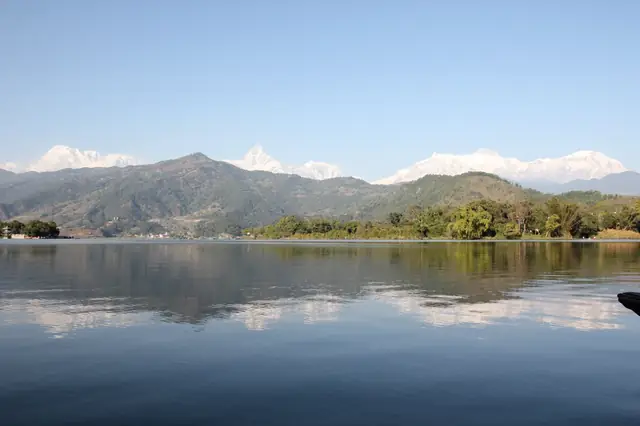
Pokhara sits at about 800 m on the shore of Phewa Lake, Nepal's second-largest lake, with the Annapurna range filling the northern sky. On a clear morning Machhapuchhre (6,993 m), the 'Fishtail' mountain, rises straight above the town and is mirrored in the water.
It is often called Nepal's adventure capital, and it is also its most relaxed city. You can paraglide, raft, zipline or bungee in the morning and sit in a lakeside café by afternoon. Most treks in the Annapurna region begin and end here, so many travellers spend a few days in Pokhara before and after.
Top 5, chosen by us
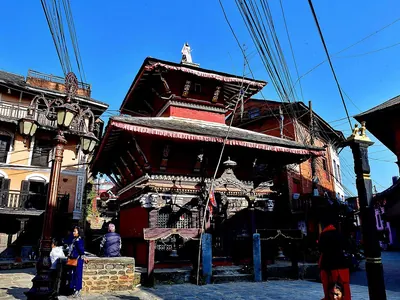
- Phewa Lake & Tal BarahiHire a painted wooden boat and row to the two-tiered pagoda temple on its island. Early morning is calmest, with Machhapuchhre reflected in the water.
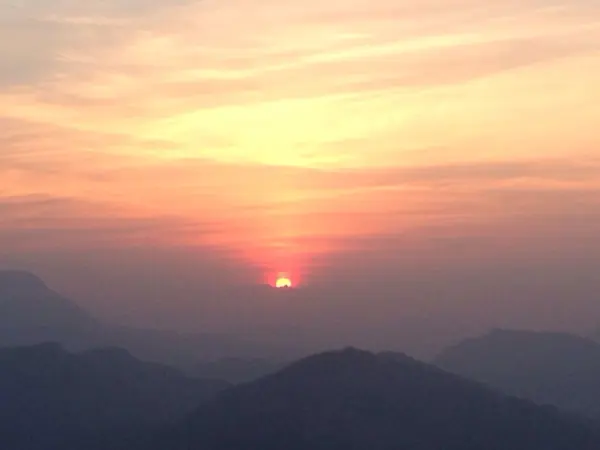
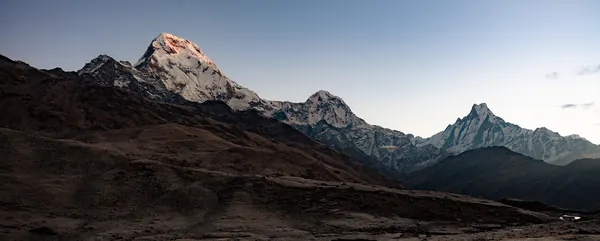
- Sarangkot sunriseA 30-minute drive up to 1,600 m for the classic view: Dhaulagiri, Annapurna, Machhapuchhre and the valley below turn gold at first light.
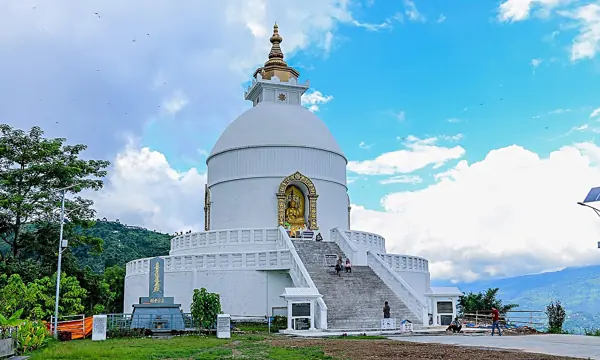
- World Peace PagodaA white Buddhist stupa on the forested ridge south of the lake, at about 1,100 m. Take a boat across and walk up, or drive, the view back over Pokhara is superb.
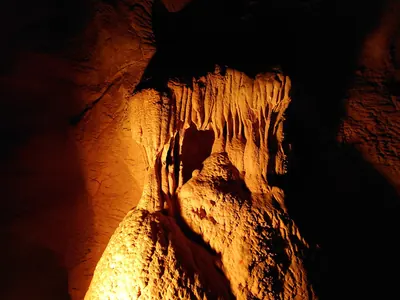
- Davis Falls & Gupteshwor CaveThe stream from Phewa Lake disappears underground at Davis Falls (Patale Chhango). Across the road, steps lead down into Gupteshwor Mahadev Cave, where you can see the falls from inside.
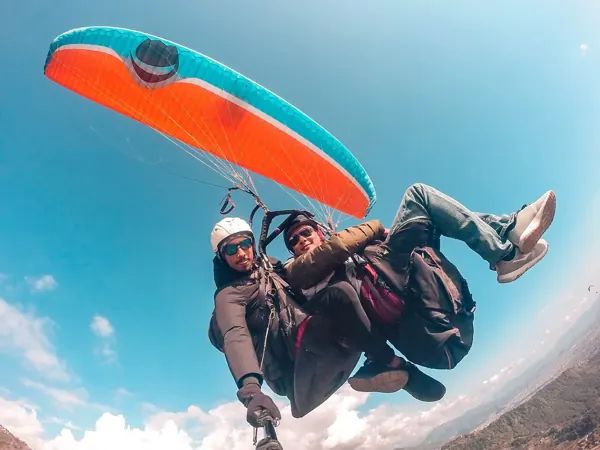
- Paragliding from SarangkotTandem flights launch from Sarangkot and glide over Phewa Lake with a pilot, no experience needed. Most flying happens from October to May.
When to go
October–November brings the clearest skies and pleasant days. March–April is warm, with rhododendrons in flower in the hills, though haze can soften the mountain views. December–February is clear but cold in the mornings. June–September is the monsoon: green and lush, with rain and clouds over the peaks.
Getting there
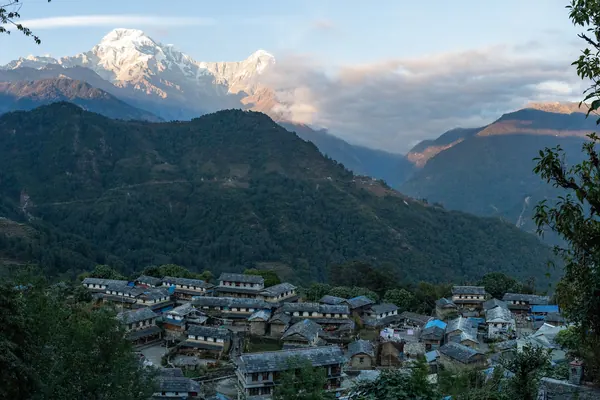
From Kathmandu it is about 200 km: 6–7 hours by private car or tourist bus, or a 25-minute flight. Pokhara is the base for everything else on this page. Ghandruk, Mustang, Chitwan and Bandipur are all reached from here.
Where to stay and eat
Most visitors stay in Lakeside, with hotels and guesthouses for every budget; Sarangkot has lodges for sunrise, and the far shore of the lake is quieter. Try momo, dal bhat and a Thakali set meal, and Newar snacks in the old bazaar.